



Five Trends of the New Workplace
The core of workplace design has stayed constant: it's about the people who utilize the space every day.

Space planning and workplace strategy continuously evolve over time. Furniture is upgraded to enhance employee performance and engagement, and—most importantly—people change. While it’s easy to get caught up in surface comparisons like workstations versus private offices, golf simulators versus in-office coffee bars, or who gets the window seat—the core of workplace design has stayed constant: it’s about the people who utilize the space every day.
Post-pandemic, workplace design experienced significant overcorrection from its historical trajectory. Over the past few years, however, the market has begun settling into more balanced, efficient, and appealing work environments. Many companies reduced their real estate footprint by 50–75%, assuming hot desking would support employees visiting only one or two days per week, but are now pivoting back toward office-based work as the norm.
In the process, organizations also scaled back communal spaces due to health concerns, aiming to make employees feel safe. Large conference rooms sat empty as meetings moved fully virtual, and executives reduced spending on underutilized facilities.

The reality is that employees will actively use a variety of spaces when those environments truly support their needs—comfort and ergonomics, privacy, access to daylight, dedicated work points, and hospitality are the sought-after amenities. The workplace hasn’t lost its importance; employee expectations of what the workplace should provide have simply evolved.
After spending so much time at home, comfort has shifted from a preference to an expectation. Employees have experienced what it feels like to work in environments tailored to their personal needs, and they now carry those expectations into the workplace. The question becomes: what did our homes provide that offices often do not? What elements can be thoughtfully translated into the workplace to keep teams productive, satisfied, and motivated to come in day after day?
Now more than ever, purposeful design plays a critical role in helping organizations create engaging and inviting environments for every type of worker and every work style. When the workplace offers comfort, flexibility, and intentionality, it gives employees a meaningful reason to choose the office as a destination rather than an obligation.


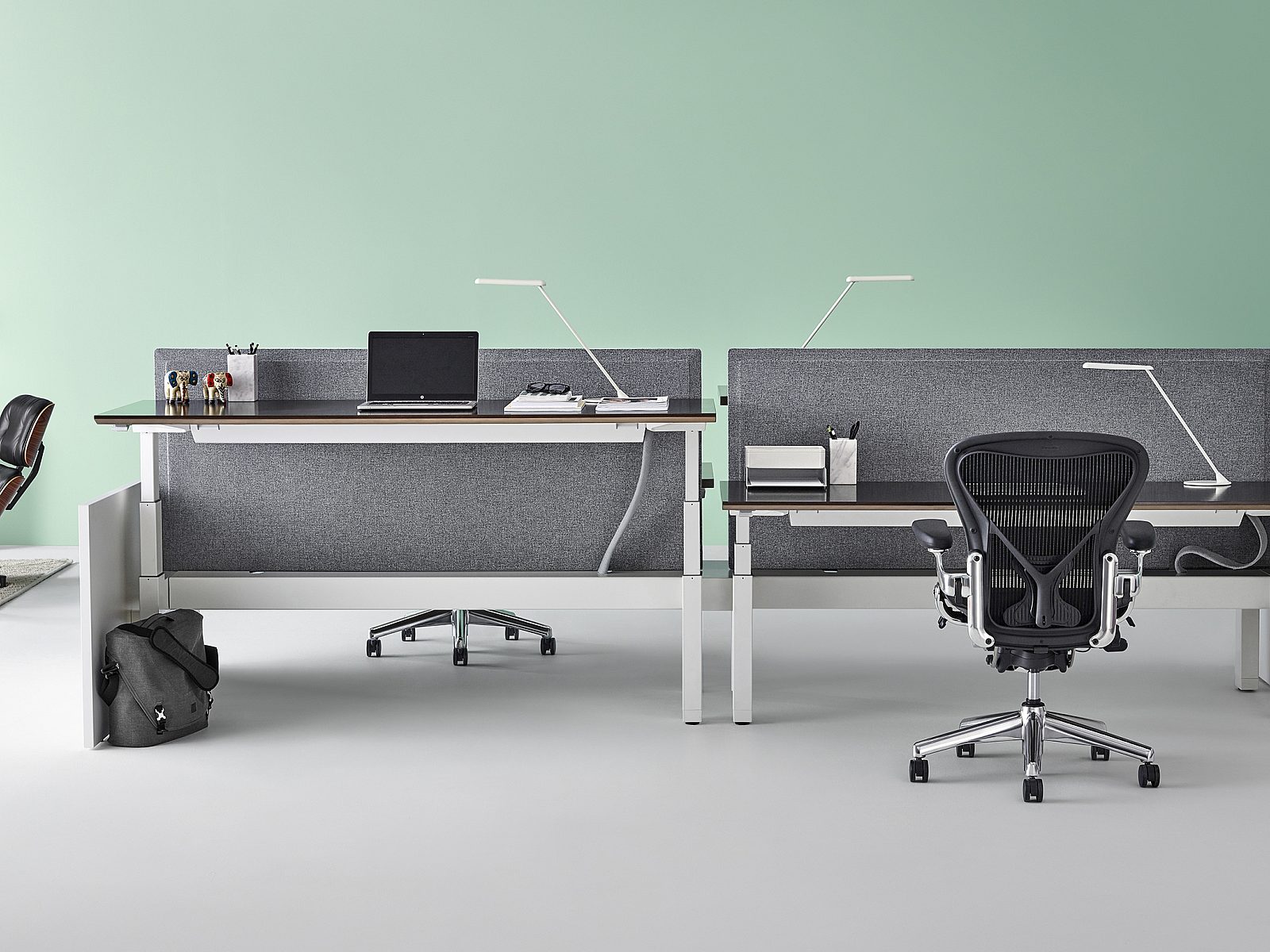
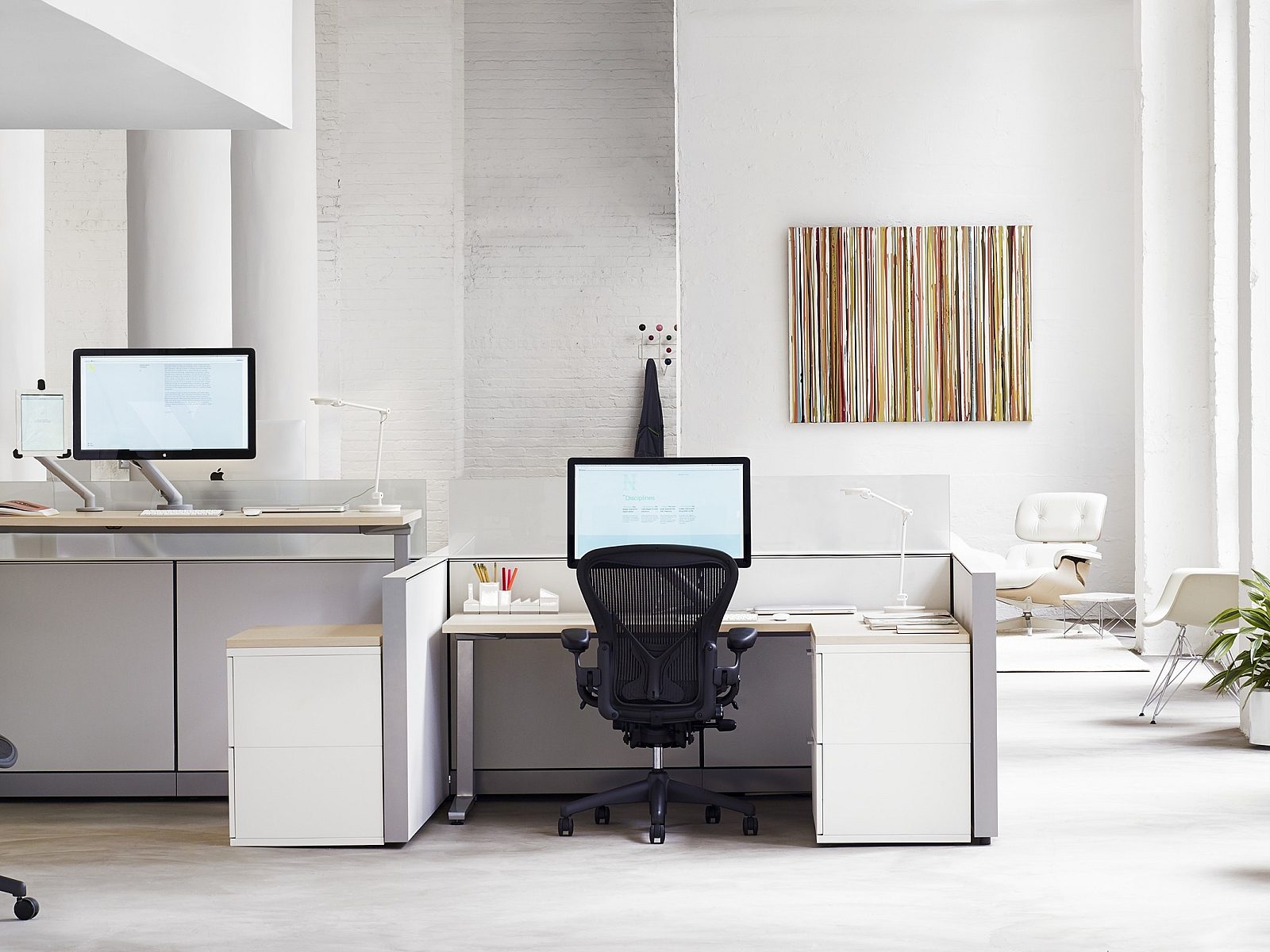
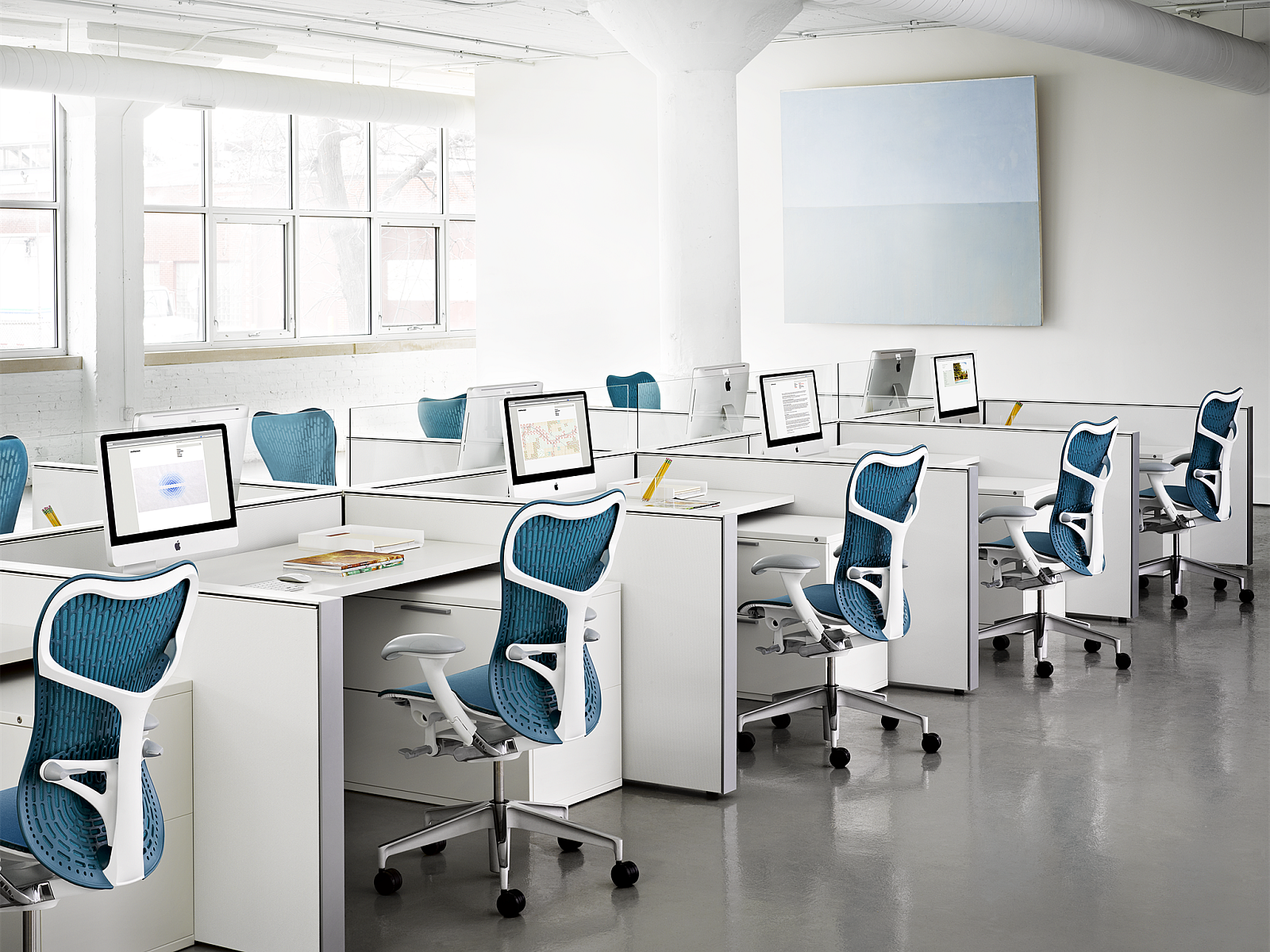
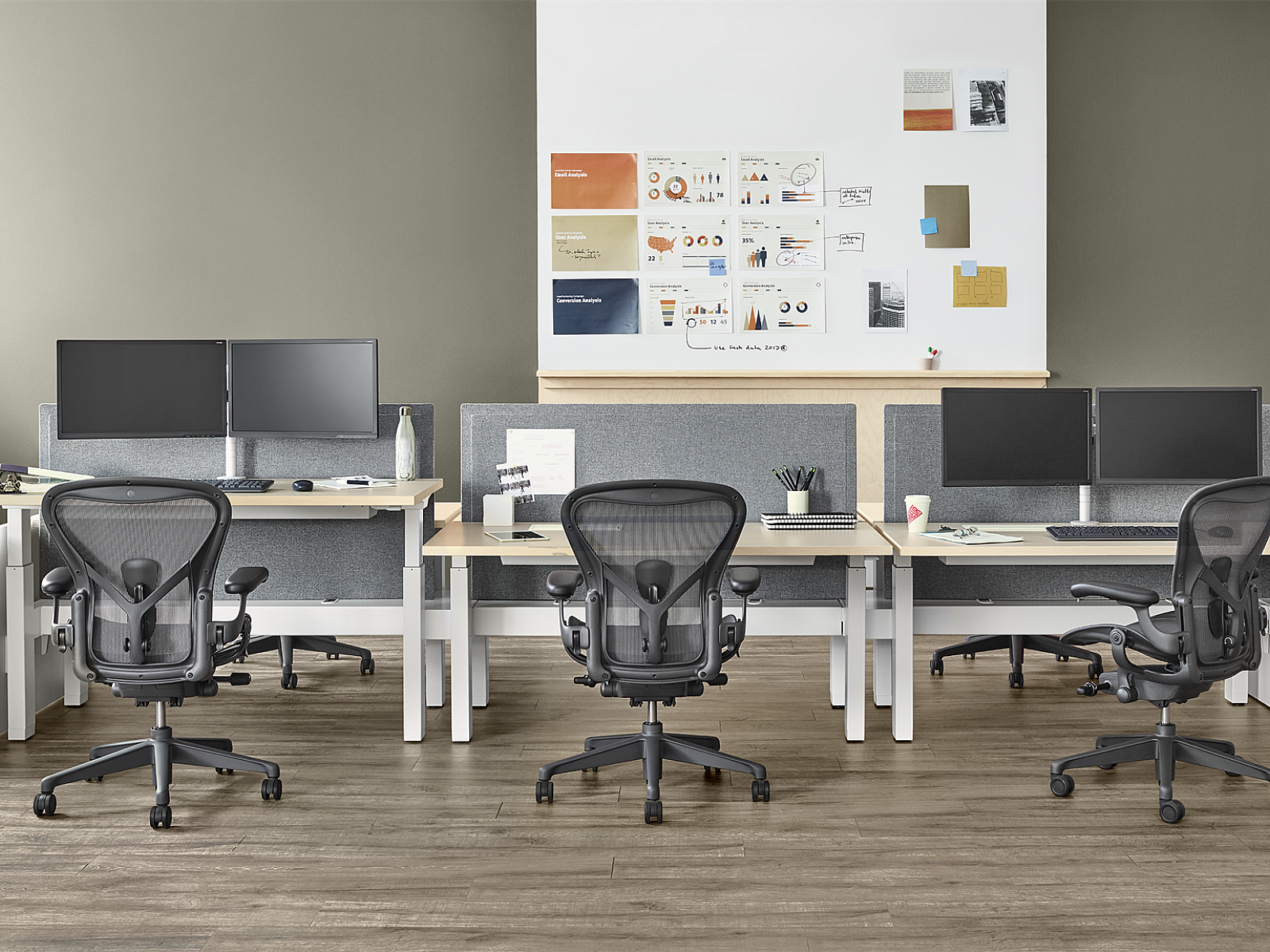
The first element is comfort—an increasingly important priority in today’s corporate environment. At its core, this development reflects fundamental human needs. Many factors contribute to workplace comfort, including height-adjustable desks, highly ergonomic task chairs, warm finishes, sound masking, and personal task lighting—the list continues to grow.
Increasingly, workplaces that incorporate residential-inspired aesthetics, soft finishes, and lounge-style settings for informal meetings are seen as the most desirable. These environments more closely mirror the comfort and familiarity of home while still supporting productive work.
Ultimately, it’s up to each employer to decide the level of investment they want to make in these amenities. However, extensive research shows a strong correlation between ergonomic, personalized workspaces and increased productivity: when people feel better, they perform better.

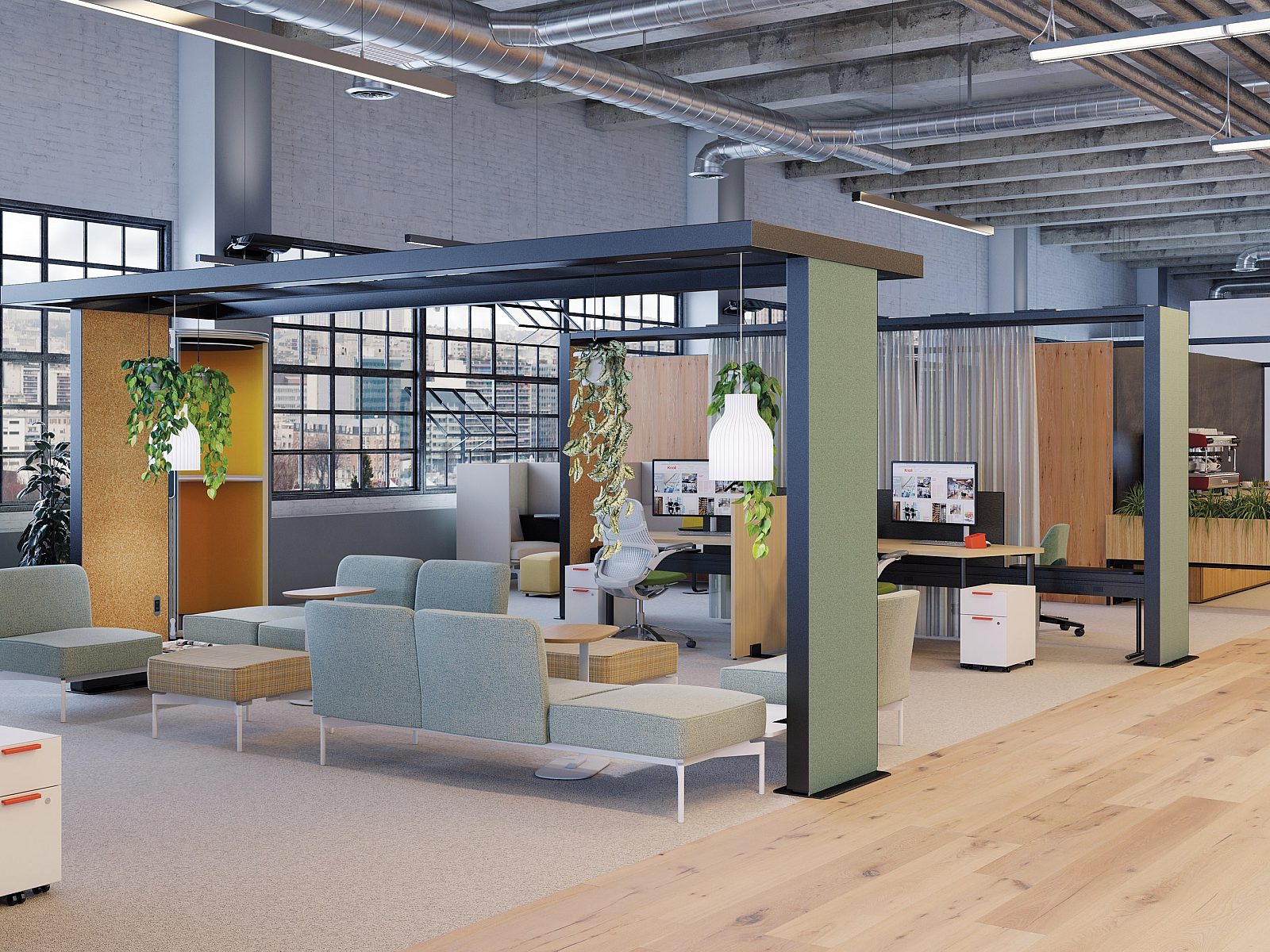
The next element is privacy. This doesn’t mean overcorrecting by giving everyone a private office. Instead, it means identifying the moments when privacy is needed and ensuring those opportunities are accessible to everyone. Privacy pods and phone rooms are powerful amenities that directly address this need.
Every employee has responsibilities beyond the workplace. Taking a call from a doctor, speaking with a child’s school, or simply stepping away for a moment of quiet are realities of modern life. While these moments shouldn’t become the norm during the workday, providing a private, comfortable space for them improves morale, supports wellbeing, and helps employees feel valued. Pods are also highly effective for focused work and video meetings. Some organizations are taking this a step further by introducing wellness suites that support nursing mothers, meditation, light therapy, and other well-being initiatives.
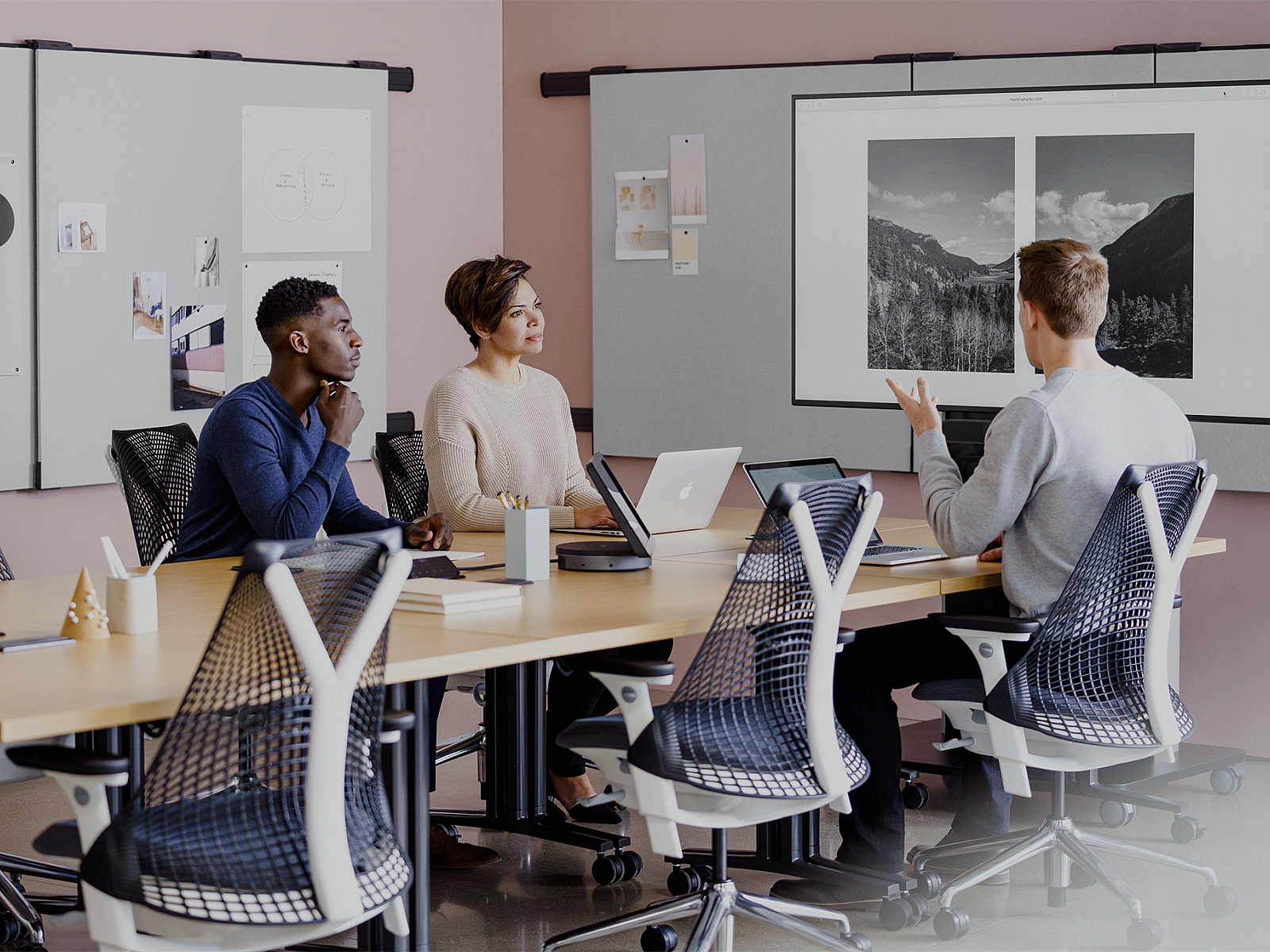
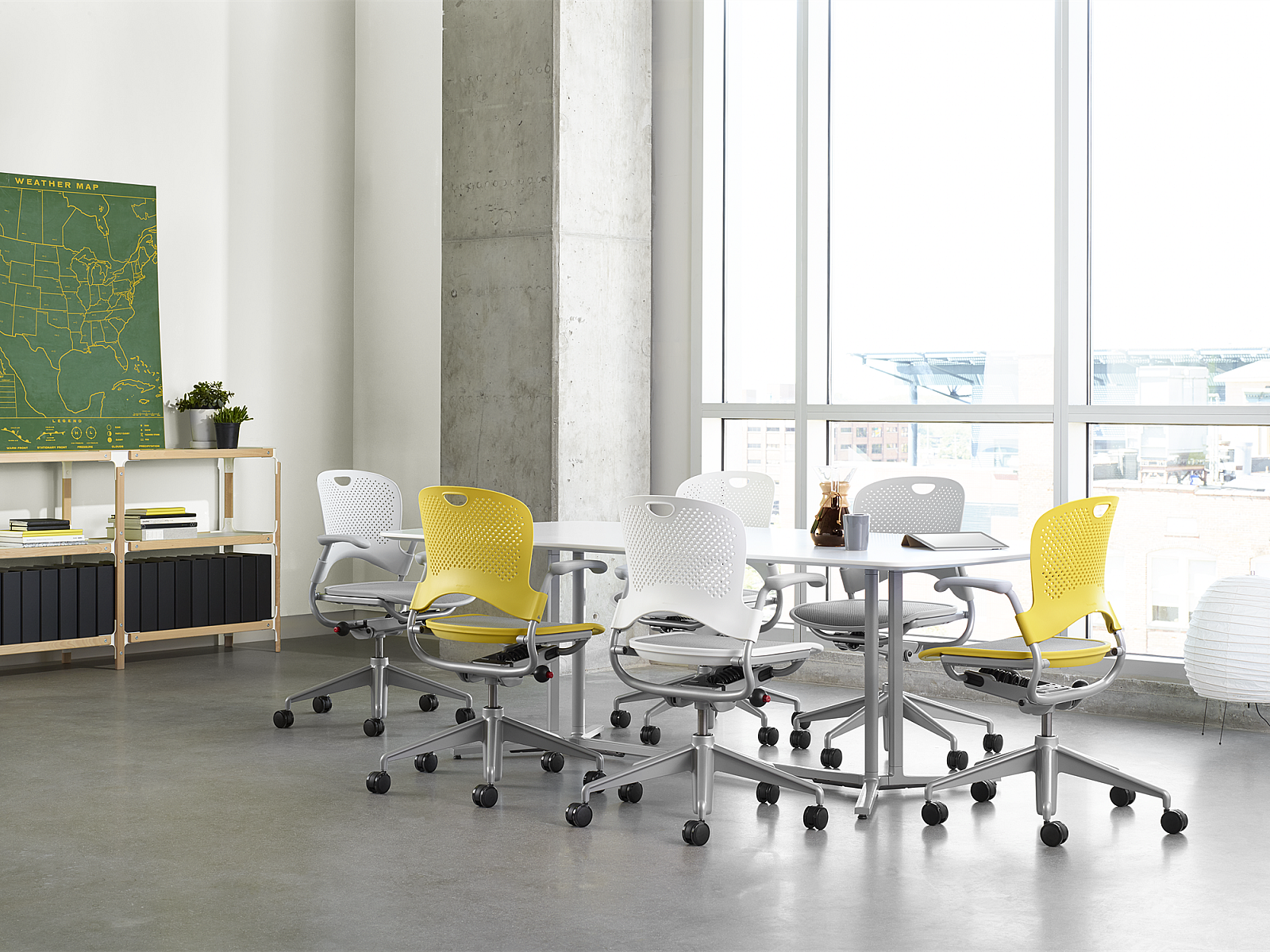
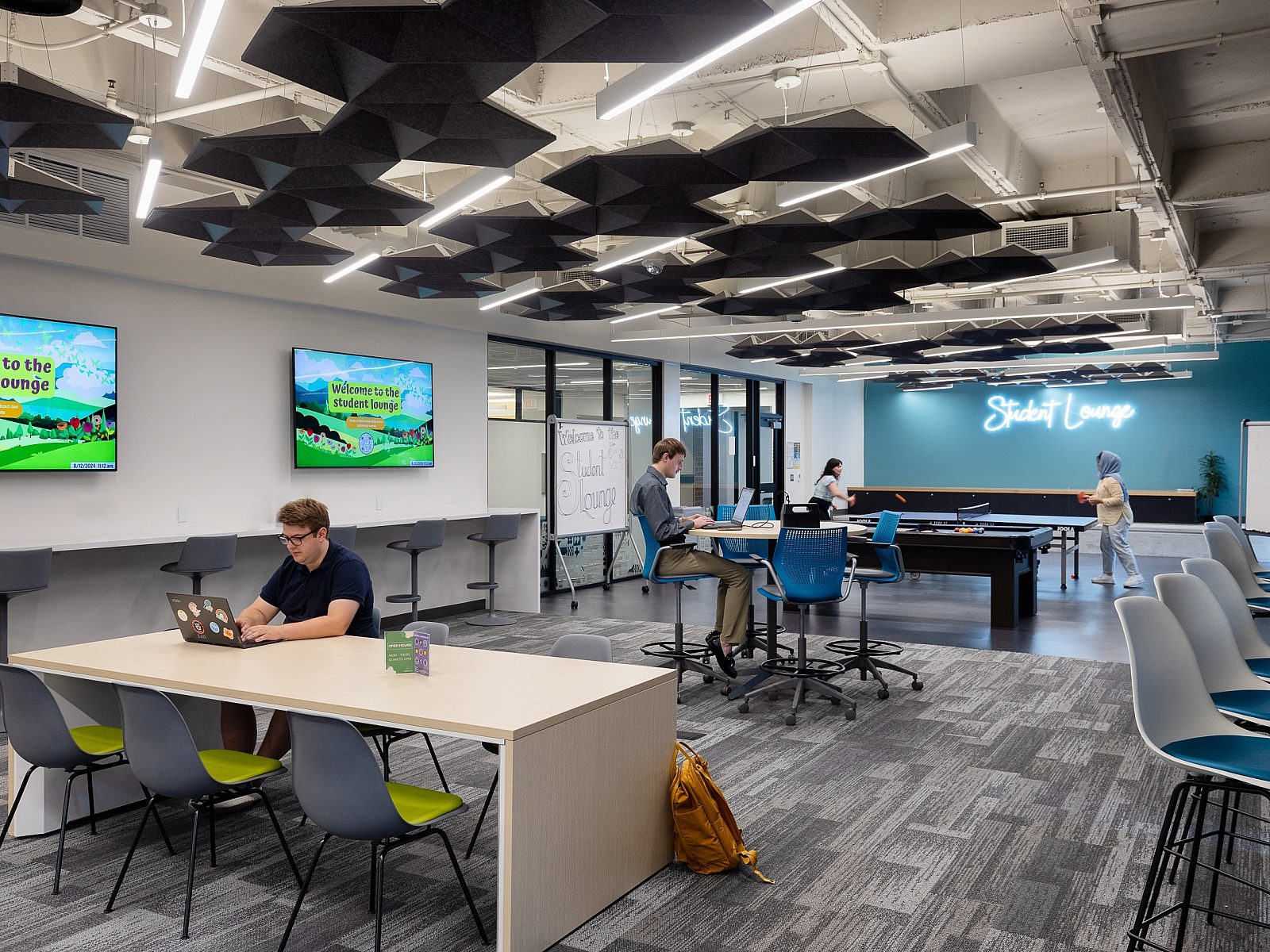
As the traditional 9-to-5 continues to evolve, flexibility and choice have become top priorities, with employees placing greater value on choice in where and how they work throughout the day. When this flexibility is paired with the ability to move throughout the office—to socialize, collaborate, focus, or simply recharge as needed—the workplace becomes a more enjoyable and desirable destination.

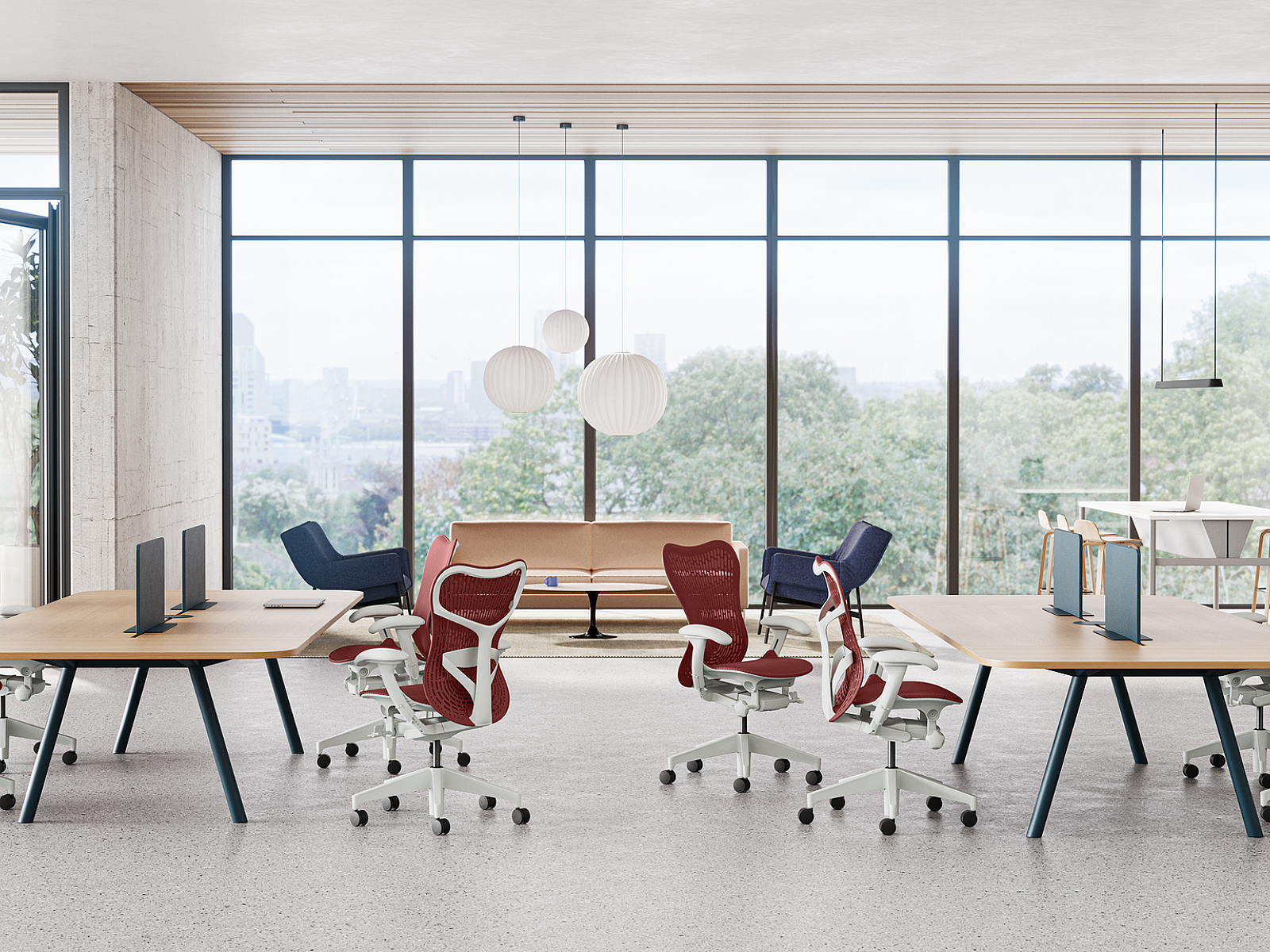
A major driver of everyday productivity and engagement is access to light and nature in a variety of forms. While this isn’t a new concept, it has become increasingly important as people grow accustomed to lunchtime walks and working from patios and home offices. A meaningful connection to the natural world is now essential to workplace positivity and performance.
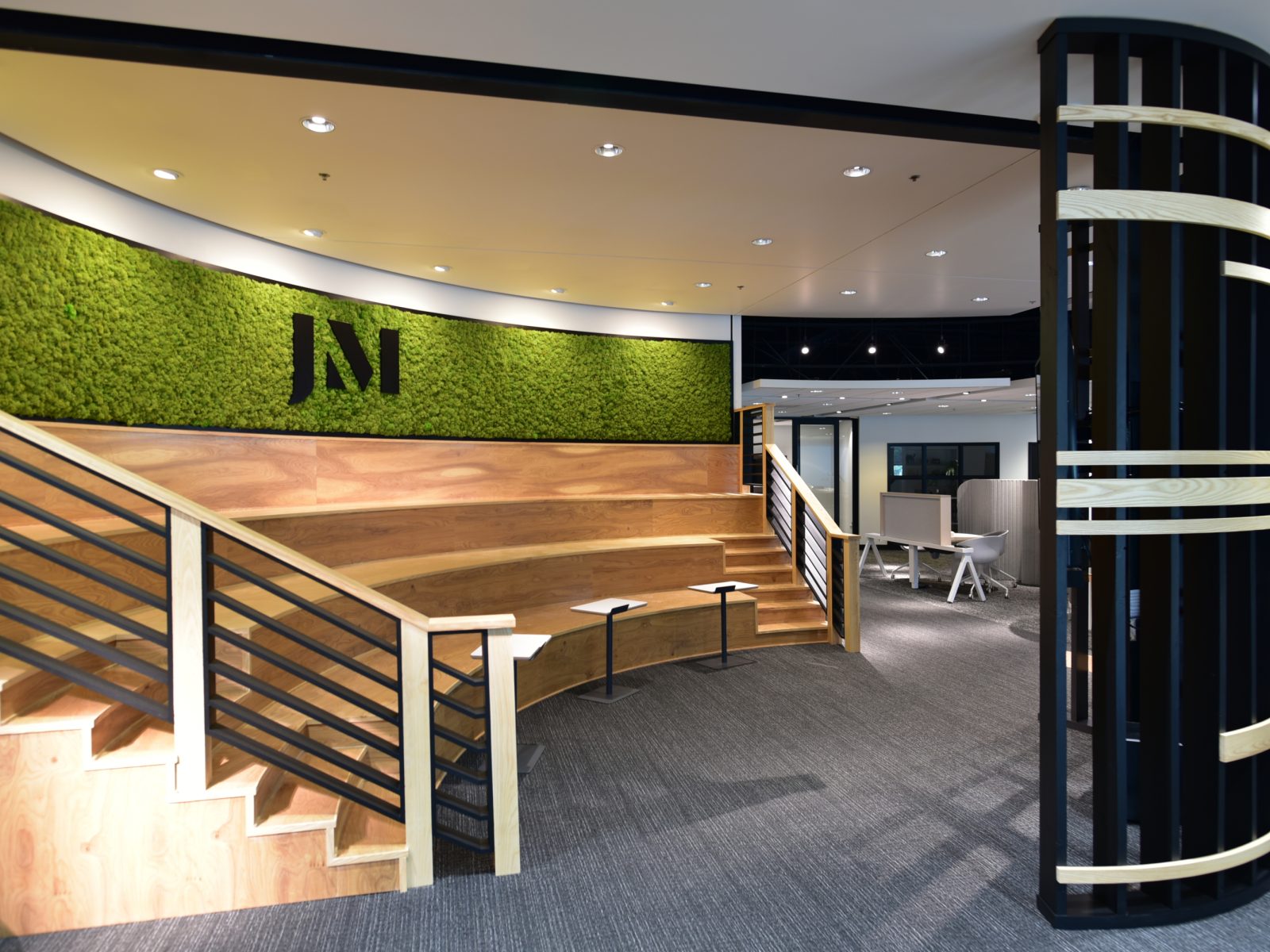
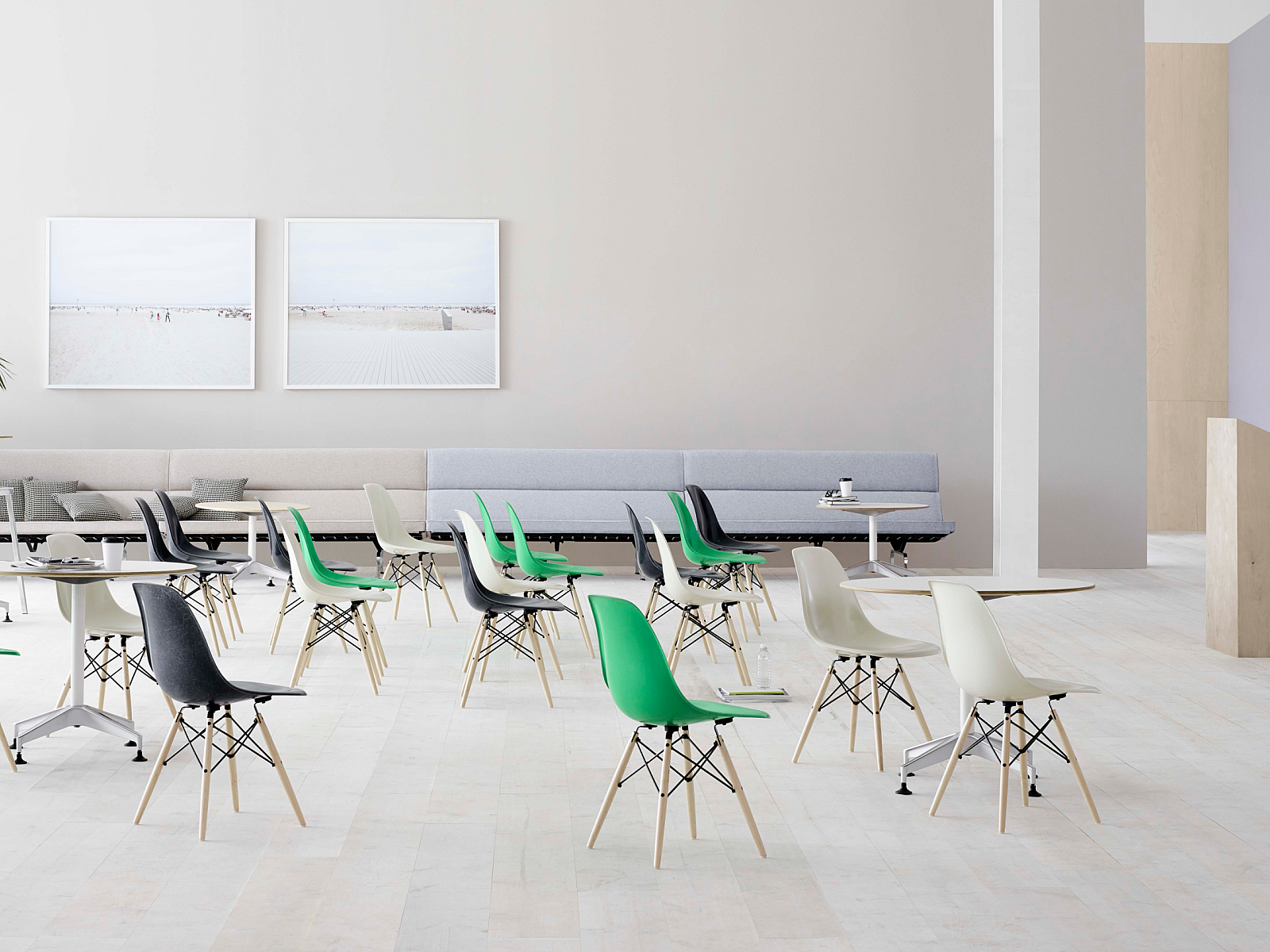
Bringing the outdoors in through daylighting, plants, biophilia, and natural gathering spaces—such as work cafés and living rooms—helps foster connection, creativity, and collaboration. After all, some of the best ideas are sparked in these moments of connection.
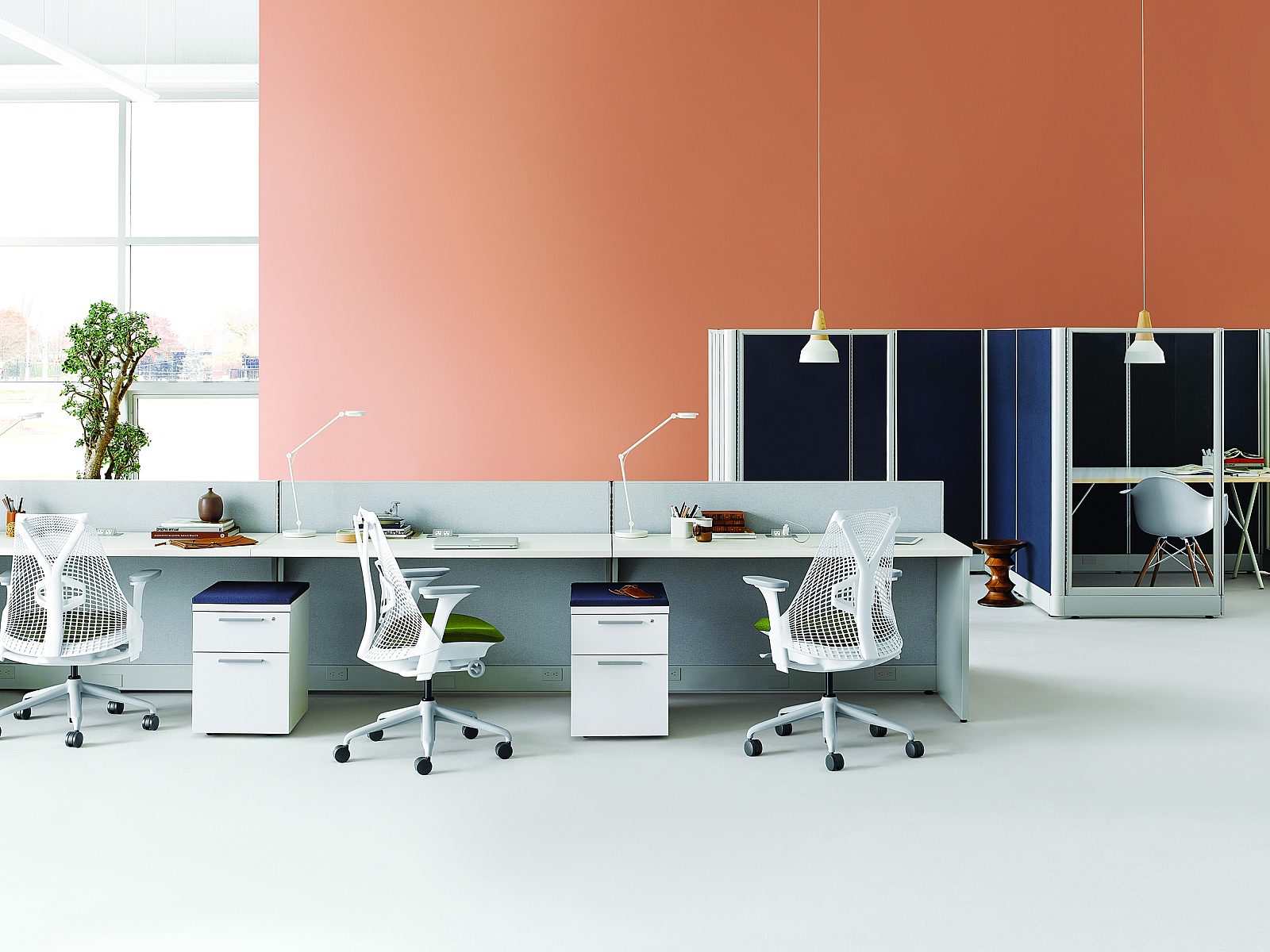
Finally, there is ownership—the sense of knowing your space is truly yours. The number of unsuccessful unassigned desk investments isn’t surprising; many people will claim a desk or avoid coming into the office altogether if they don’t know where they’ll land each day. We are creatures of habit, and we have personal belongings.
This doesn’t mean employees should be able to fully decorate their desks without limits, but providing a place for a few personal items—a favorite pen, a photo of a child or pet, or snacks they’d rather not share—creates a sense of belonging that goes a long way.

Like all things, trends come and go—fashion, colors, and design—and the workplace is no exception. What matters most is focusing on what delivers proven results and will stand the test of time. When we ask what people truly need each day to feel happy, healthy, and supported, we uncover the principles that will remain relevant for the next generation of the workplace.
